Preserve Your Rights With a Top Illegal Eviction Attorney
Managing the obstacles of wrongful eviction can be overwhelming. Many individuals may not completely grasp their rights or the lawful responsibilities of their lease holders. A skilled wrongful eviction attorney can deliver critical guidance and help in these cases. They can explain the nuances of occupant safeguards and landlord responsibilities. Learning how to secure effective representation is important. The subsequent moves could substantially determine one's housing stability and legal position. What should one assess when obtaining legal representation?
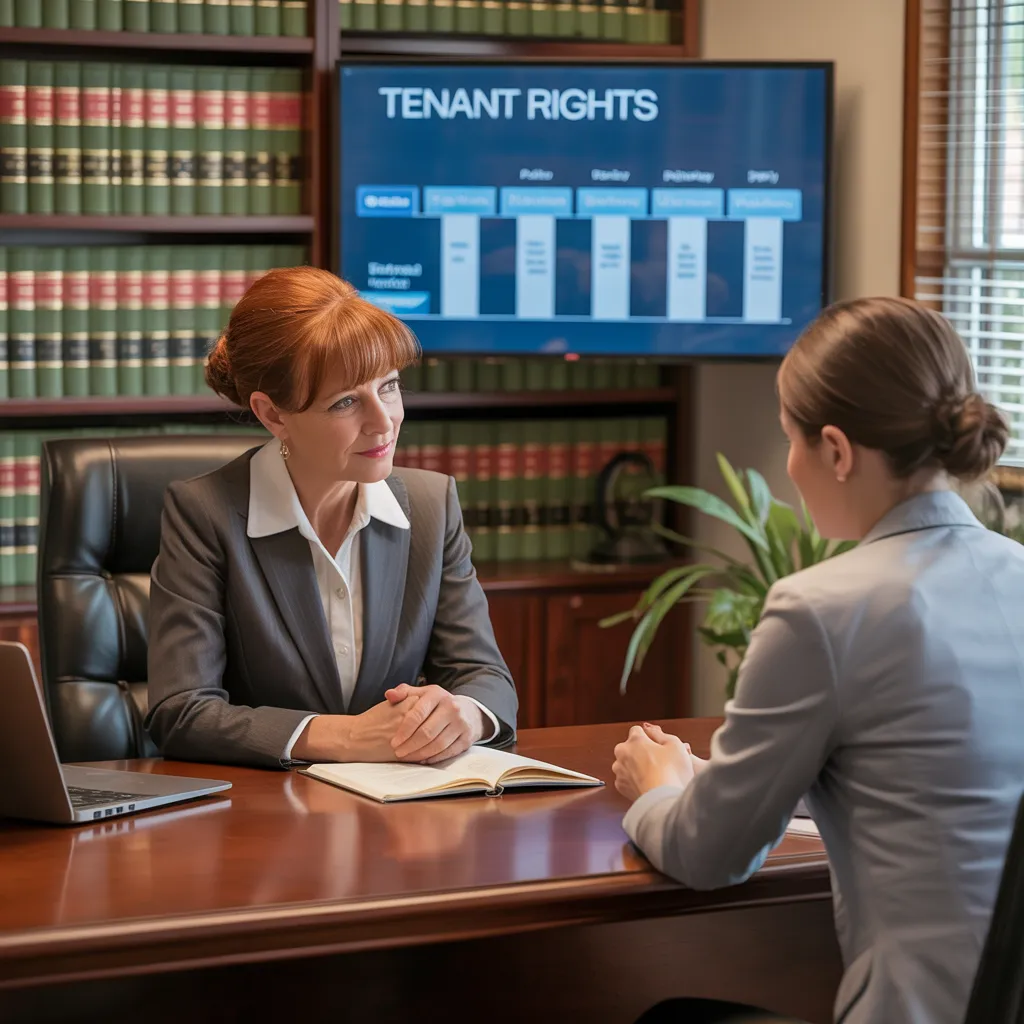
Key Points to Recognize About Unjust Eviction
What makes up wrongful eviction? Wrongful eviction occurs when a landlord unlawfully removes a tenant from a rental property, violating established laws or lease agreements. This can encompass situations where the landlord fails to follow proper legal procedures, such as giving adequate notice or securing a court order before eviction. Additionally, wrongful eviction may result from discriminatory conduct, harassment, or retaliation against tenants exercising their legal rights.
Tenants may also encounter illegal removal if they are evicted without just cause, particularly in areas that offer safeguards against such actions. Comprehending local tenant rights and landlord obligations is crucial for both sides. Legal avenues exist for tenants who think they have been wrongfully evicted, including submitting grievances or pursuing damages. Engaging a knowledgeable wrongful eviction attorney can help tenants manage these complexities and protect their protections effectively.
Clues You Possibly Are Enduring Wrongful Eviction
Identifying the signs of possible wrongful eviction can enable tenants to take preventive measures to protect their rights. One clear sign is receiving a notice to vacate without a valid reason or prior communication. In addition, if a landlord threatens eviction without following legal procedures, this may signal wrongful eviction. Tenants should also be alert to sudden rent increases, especially if they are coupled with eviction threats, as this can be an intimidation tactic.
An red flag is if the landlord neglects to maintain the property, thereby establishing an unsafe living environment, which can cause retaliation against tenants who complain. Moreover, sudden changes in lease terms or refusal to renew a lease without justification can also indicate wrongful eviction. Recognizing these signs is vital for tenants to protect their housing stability and seek appropriate legal counsel if needed.
The Manner a Premier Attorney Can Support With Wrongful Eviction Claims
A prominent lawyer brings priceless legal expertise to cases of wrongful eviction, guaranteeing that tenants comprehend their rights. They adeptly navigate intricate laws that often obstruct eviction processes, providing transparency and direction. By building robust defense plans, these professionals can effectively fight for their customers and seek fair outcomes.
Advanced Legal Know-How Ranks First
While working through the difficulties of a wrongful eviction can be demanding, the proficiency of a top lawyer can significantly influence the outcome. Skilled attorneys offer a wealth of understanding regarding tenant rights and landlord responsibilities, ensuring that clients comprehend their legal standing. They can analyze case specifics, uncover potential violations, and craft powerful arguments to support the tenant's position. Additionally, a practiced attorney is capable at negotiating with landlords or their representatives, commonly attaining favorable settlements without the need for prolonged litigation. In court, their track record can be invaluable, as they know how to present evidence convincingly and challenge opposing claims. Ultimately, having a top wrongful eviction attorney can be the difference between a successful resolution and prolonged distress.
Navigating Complex Regulations
Navigating the complex landscape of housing regulations can overwhelm many tenants encountering wrongful eviction. These regulations, often complex and intricate, differ significantly by jurisdiction, making it challenging for individuals to understand their rights and obligations. A top wrongful eviction attorney possesses the expertise needed to understand these laws effectively. They can identify violations that may have occurred during the eviction process, ensuring that tenants are aware of their legal standing. Additionally, an experienced lawyer can direct tenants through the necessary documentation and procedures required to challenge an eviction. This support not only strengthens tenants but also enhances their chances of a favorable outcome in their legal battles, providing essential protection against unjust housing practices.
Developing Powerful Legal Strategies
Building robust legal approaches is vital for renters dealing with wrongful eviction, and an seasoned lawyer plays a crucial role in this matter. A well-informed legal professional assesses the details of the case, pinpointing any breaches of tenant rights or breaches of lease terms. They gather documentation, such as lease documents and correspondence files, to build a persuasive case. Additionally, an lawyer can effectively navigate local laws and regulations, guaranteeing that all statutory procedures are observed. They also offer representation in negotiations or court proceedings, advocating for the renter's needs. By developing a customized legal approach, the legal representative improves the likelihood of a favorable outcome, in the end protecting the renter's protections and securing their housing stability.
Understanding the Unjust Eviction Court Procedure
The unlawful eviction legal process demands understanding the specific legal grounds that can warrant eviction and the procedural steps that must be followed. Renters confronting eviction need to be aware of their protections and the legal protections accessible to them. Navigating through this procedure effectively requires knowledge of both the laws governing eviction and the required actions to challenge an illegal removal.
Legal Grounds for Eviction
Eviction can be a important legal step for landlords, but understanding the grounds for wrongful eviction is critical for both tenants and property owners. Wrongful eviction usually occurs when landlords attempt to remove tenants without legal justification. Common legal grounds for eviction include nonpayment of rent, violation of lease agreements, or participating in illegal activities on the property. However, landlords must adhere to specific legal procedures to terminate a lease, such as issuing proper notice. Evictions based on discrimination or retaliation against tenants for exercising their rights also constitute wrongful eviction. Knowledge of these legal grounds protects tenants' rights and ensures landlords abide by lawful practices during the eviction process.
Steps in the Procedure
Navigating the illegal eviction legal process demands many paramount steps that both lessees and landlords must understand. As a starting point, tenants should archive all applicable communications and lease agreements, developing a transparent order of occurrence of events. They may then register a objection in the fitting court, explaining the rationale for challenging the validity of the eviction. Following this, both parties will attend a judicial hearing where supporting documentation and narratives are offered. After the determination, if the tenant prevails, they may seek damages for losses endured. Conversely, landlords can appeal if they useful guide maintain the decision was inequitable. Throughout this process, engaging a knowledgeable wrongful eviction legal counsel can provide essential recommendations, ensuring that rights are upheld and legal obligations are met productively.
Factors for Picking the Top Wrongful Eviction Lawyer
How might someone recognize the most suitable wrongful eviction attorney? First, potential clients must examine the attorney's track record and expertise in landlord-tenant law. A proven track record in handling wrongful eviction cases can indicate a deeper understanding of relevant laws and procedures.
Finally, seeking referrals or reading client reviews can provide insights into the attorney's standing and success rate. Communication skills are also crucial; the attorney should be approachable, attentive, and able to explain complex legal concepts plainly.
Furthermore, examining the attorney's cost arrangement guarantees that services are affordable and transparent. A competent attorney should provide a comprehensive summary of costs and potential outcomes.
Ultimately, a preliminary consultation can help evaluate mutual understanding and confidence, which are crucial for a collaborative legal partnership. By reviewing these criteria, clients can take informed steps when selecting the most appropriate wrongful eviction attorney for their situation.
Why Acting Quickly Matters in Illegal Eviction
Acting without delay in illegal eviction situations is vital for safeguarding your rights and achieving a positive outcome. Postponing action can result in the loss of critical evidence and witness statements, which are important for constructing a powerful case. Furthermore, statutory deadlines, including limitation periods, may constrain the period to submit a claim.
The earlier an individual reaches out to a wrongful eviction attorney, the broader the selection of remedies they may access, including negotiations or lodging an legal injunction to interrupt the eviction process. Timely action also communicates to courts and property owners that the lessee is earnest about defending their rights.
Additionally, timely consultation with legal counsel supports a full grasp of local landlord-tenant laws, which can profoundly impact the case's trajectory. In summary, proceeding quickly not only enhances the chances of a desirable outcome but also upholds the tenant's legal rights throughout the eviction process.
Commonly Asked Questions
What Include the Prevalent Origins of Improper Eviction Grievances?
Common causes for wrongful eviction claims encompass insufficient notice requirements, retaliatory actions by landlords, discrimination, failure to follow legal procedures, and removing tenants mid-lease without legitimate cause, each compromising tenant rights and protections.
Can I take legal action against my landlord for emotional distress after eviction?
Yes, an individual can take legal action against their landlord for emotional distress after eviction. However, establishing emotional distress requires substantial evidence, showing that the landlord's actions were deliberate or careless and directly resulted in significant emotional harm.
How much time Do I Have to File a Illegal Eviction Case?
Generally, people have between one to three years to file a wrongful eviction case, based on state laws. Timely action is advisable to ensure the safeguarding of rights and potential recovery of damages.
What Evidence Do I Need to Bolster My Improper Eviction Case?
To enable a wrongful eviction case, one needs proof such as tenancy agreements, rental payment history, notice of eviction, landlord communications, photographs of the property, and testimonial evidence detailing the eviction circumstances and any pertinent communications.
Will I Have to Go to Court for a Wrongful Eviction Claim?
Generally, filing a improper eviction claim may require court involvement, as legal processes often facilitate the settlement of conflicts. However, some cases may settle outside of court through negotiation or arbitration, based on circumstances.